
Clinton Institute


Empowering Learners. Connecting Education with Industry. Supporting Communities.
At Clinton Institute, we believe education has the power to transform lives, strengthen communities and create opportunities for personal and professional growth. Our mission, vision and core values guide how we educate students, engage with industry and contribute to the communities we serve.
Quality education should develop not only knowledge and qualifications, but also practical skills, professional confidence and the ability to contribute meaningfully to society.
At Clinton Institute, we believe education has the power to transform lives, strengthen communities and create opportunities for personal and professional growth.
Our philosophy is built on a simple principle:
Quality education should develop not only knowledge and qualifications, but also practical skills, professional confidence and the ability to contribute meaningfully to society.
As an Australian vocational education provider, we are committed to creating a learning environment that values practical experience, industry relevance, inclusion and continuous improvement.
Our mission, vision and core values guide how we educate students, engage with industry and contribute to the communities we serve.

Our mission is to deliver quality, industry-relevant vocational education that empowers students to develop practical skills, professional knowledge and confidence for their future careers.
We strive to connect learning with real-world applications through effective teaching, hands-on training, meaningful industry engagement and individualised student support.
We are committed to
We believe our responsibility extends beyond delivering qualifications. It includes helping learners understand their chosen industries and develop the capabilities to participate confidently in professional life.
We train for skills, support individual growth and connect education with future opportunities.

Practical training is central to our approach because workplace confidence begins with hands-on experience. Work placements are subject to course requirements, eligibility, organisational arrangements and availability. Employment is not guaranteed.
Our vision is to become one of Australia’s most respected vocational education providers, recognised for the quality of our training, the relevance of our programs, our industry connections and our commitment to student development.
We aspire to create an education environment where classroom learning and practical experience work together to prepare students for the changing needs of Australian industries.
We envision a future in which
Through continuous improvement, meaningful partnerships and a student-centred approach, we aim to strengthen our role as a trusted provider of vocational education in Australia.
Our vision is to connect education, industry and community in ways that create lasting value for learners and society.
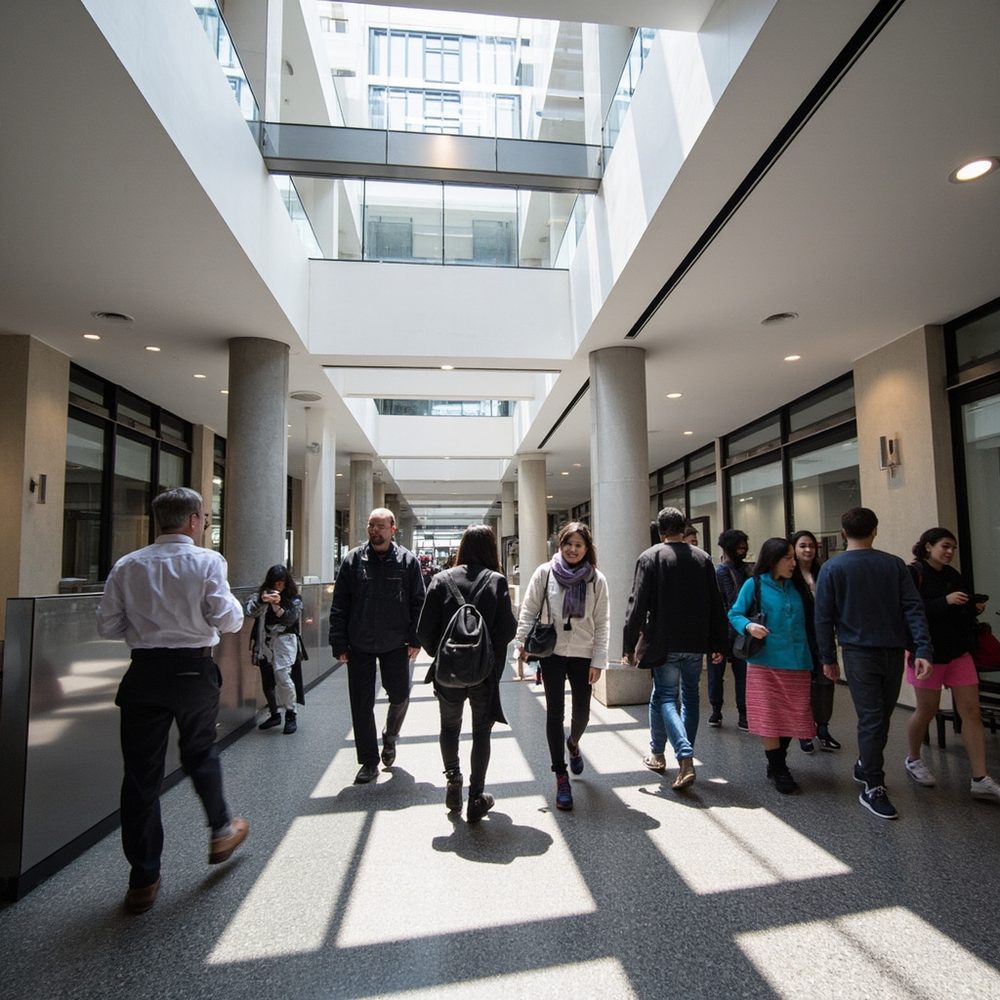
A student-centred approach, continuous improvement and meaningful industry partnerships are how we earn and keep the trust of students, employers and the wider community.
Our values shape our approach to education, our relationships with students and industry partners, and our responsibilities as a vocational education provider.
We strive to maintain high standards in training, assessment, student support and institutional operations.
We value professionalism, accountability and continuous improvement in everything we do.
We encourage critical thinking, adaptability, independent learning and creative problem-solving.
We recognise that industries evolve, and education must continue to respond to new technologies, changing practices and emerging professional needs.
We believe leadership begins with personal responsibility, professional conduct and a willingness to learn.
We encourage students and staff to demonstrate initiative, collaborate effectively and contribute positively to their workplaces and communities.
We value cultural diversity, mutual respect and equal opportunity.
We are committed to fostering a safe, welcoming and inclusive learning environment where students from different backgrounds are respected and supported.
We believe vocational education is most effective when it reflects the practices and expectations of industry.
We value meaningful engagement with employers, professional organisations and community service providers to maintain the relevance of our training.
We recognise that every student has different experiences, learning needs and professional goals.
We aim to provide clear guidance, constructive feedback and appropriate support to help students develop their capabilities throughout their educational journey.

We believe education providers have a role in strengthening communities.
We value opportunities to collaborate with community organisations, support inclusive participation and share educational resources where appropriate.
Our connections with vocational education, English language training, disability services and practical community learning reflect this broader commitment.

Students invest significant time, effort and resources in their education. We are committed to providing an environment that supports informed decisions, effective learning and professional development, and we aim to build trust through transparent communication, professional conduct and a genuine commitment to educational quality.
We believe effective vocational education connects four essential stages of learning. This approach reflects our commitment to making vocational education practical, purposeful and relevant.
Develop the theoretical understanding, technical knowledge and professional awareness required for the chosen qualification.
Apply knowledge through supervised training, simulated activities and practical learning environments.
Understand how vocational skills are used in professional workplaces through industry-informed training and workplace learning where required.
Build the confidence, adaptability and professional responsibility needed for further learning and career development.
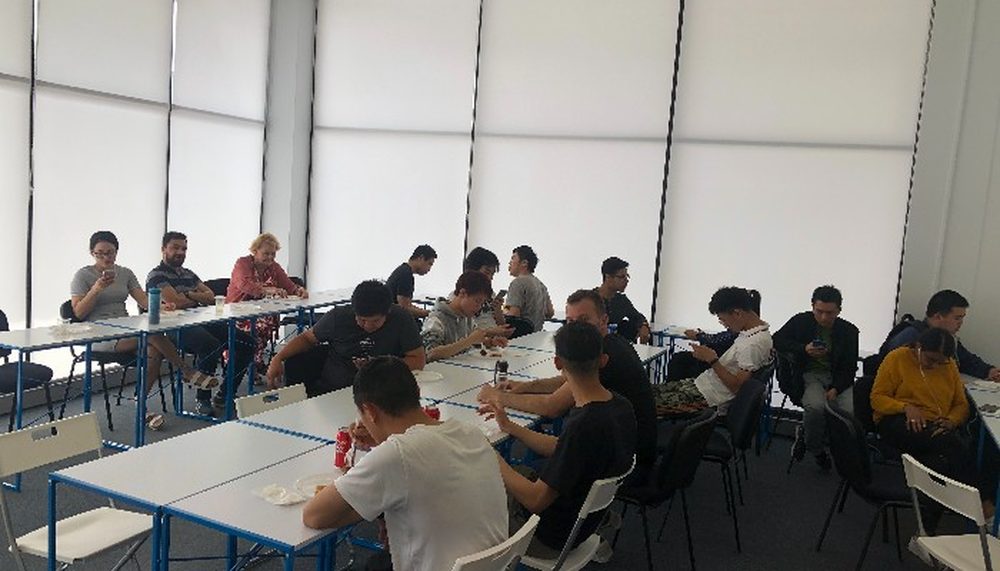
We recognise that students invest significant time, effort and resources in their education. We are committed to providing an environment that supports informed decisions, effective learning and professional development.
Our responsibilities include
We aim to build trust through transparent communication, professional conduct and a genuine commitment to educational quality.
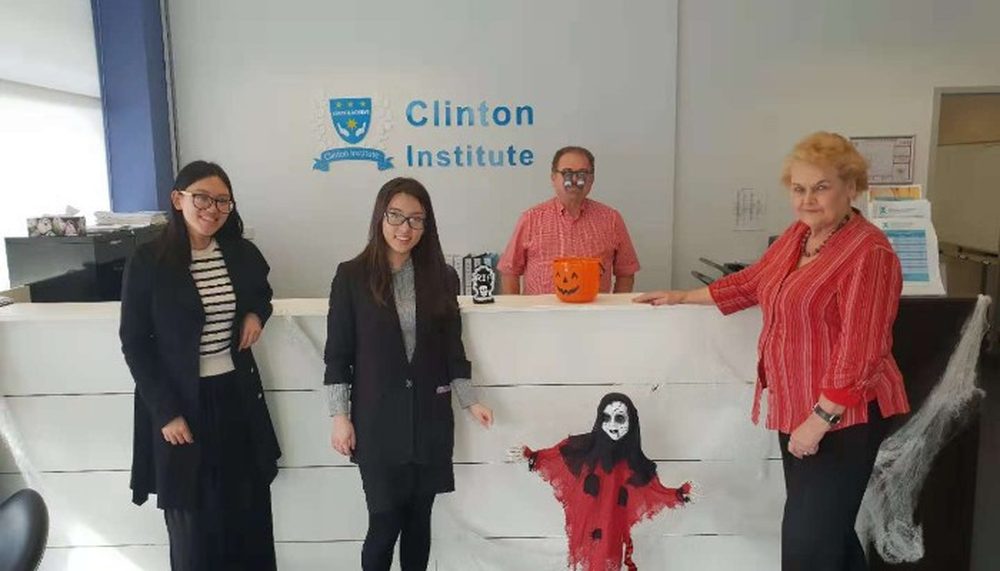
Work placements are subject to course requirements, eligibility, organisational arrangements and availability. Employment is not guaranteed.
Clinton Institute recognises that vocational education contributes to the development of Australia’s workforce and the communities that workforce serves.
Our engagement with aged care providers, hospitality businesses, English language education and disability and community service organisations reflects our commitment to connecting learning with practical needs.
We believe collaboration between education providers and industry can strengthen training relevance, support professional development and encourage positive community outcomes.
By maintaining these connections, we aim to contribute to a vocational education system that is responsive, inclusive and future-focused.
Education with a broader purpose — connecting learning, industry and community for lasting value.

Training Skills, Creating Careers
At Clinton Institute, our purpose is to help students build the skills and confidence to take their next step. We are guided by a commitment to quality education, meaningful industry engagement, practical learning and respect for every student.
We will continue to strengthen our training, develop our industry relationships and seek opportunities to contribute positively to the communities we serve.
This is our purpose. This is our commitment.
Clinton Institute’s mission is to deliver quality, industry-relevant vocational education that empowers students to develop practical skills, professional knowledge and confidence for their future careers. We train for skills, support individual growth and connect education with future opportunities.
Clinton Institute’s vision is to become one of Australia’s most respected vocational education providers, recognised for the quality of our training, the relevance of our programs, our industry connections and our commitment to student development.
Our seven core values are Excellence, Creativity & Innovation, Leadership, Inclusiveness & Respect, Industry Connection, Student-Centred Learning, and Community Responsibility.
It is our educational philosophy: learn the theory and professional knowledge, practise it through supervised training and practical learning environments, apply it through industry-informed training and workplace learning where required, and grow the confidence and adaptability needed for further learning and career development.
We provide clear and accurate course information, deliver training and assessment in accordance with applicable requirements, maintain appropriately qualified training and assessment personnel, provide access to suitable learning resources and facilities, support students in understanding course expectations and progression, encourage feedback and continuous improvement, and promote fairness, respect and cultural inclusion.
We build and maintain relationships with employers and industry organisations to support relevant training and workplace learning, and we engage with aged care providers, hospitality businesses, English language education and disability and community service organisations to keep our training aligned with real workplace expectations.
Clinton Institute offers vocational qualifications in aged care and community services, commercial cookery and hospitality, and business and management — from Certificate III through to Graduate Diploma level.
Clinton Institute’s campus is at Level 9, 313 La Trobe Street, Melbourne VIC 3000 (Melbourne CBD), and its commercial training kitchen is at 12 Mary Street, Preston VIC 3072. Phone 03 8394 2064. International students can also study in Tasmania — see Live in Hobart.
Explore our nationally recognised qualifications in aged care and community services, commercial cookery and hospitality, and business and management.