
Melbourne's Chef Shortage: Why Clinton's Community Kitchen Is Different
Published: August 6, 2026 | Clinton Institute (RTO 41597, CRICOS Provider: 03540C) | Melbourne
Melbourne's hospitality industry is facing a structural shortage of qualified cooks. Clinton Institute's Community Training Kitchen is designed to bridge that gap — with industry-experienced trainers and hands-on learning from week one.
Expert insight — Laiju Thomas, Certificate IV Trainer and Assessor, Clinton Institute:
"Most students come in worried they don't have the right experience. The truth is, the best aged care workers are not the ones with the most qualifications — they are the ones who genuinely want to connect with older people. The qualification gives you the skills; the person-to-person connection is what makes the work matter."
Melbourne's hospitality industry is facing a critical shortage of qualified cooks and chefs. The city's renowned cafe and restaurant culture is under pressure as demand for skilled kitchen staff outstrips supply. For international students looking to study cookery in Melbourne, this shortage represents an extraordinary career opportunity.
How Bad Is the Chef Shortage in Melbourne 2026?
The chef shortage in Melbourne and across Australia has reached crisis point. The Australian Hospitality Association and Restaurant & Catering Australia have repeatedly flagged that commercial kitchens are operating with reduced staffing, turning away covers, and shortening operating hours due to an inability to fill qualified cookery positions.
Key indicators of the shortage:
- Thousands of chef and cook vacancies remain unfilled across Melbourne's hospitality sector
- Average time-to-fill a qualified cook position has increased significantly since 2023
- Hospitality businesses are offering signing bonuses and above-award pay to attract qualified cooks
- International students with cookery qualifications are increasingly prioritised by Melbourne employers
Expert insight — Shane Batterson, Cookery Trainer and Assessor, Clinton Institute:
"The shortage is real. Every week we hear from restaurants and hotels in Melbourne asking if we have graduates ready to fill positions. If you qualify as a cook in Melbourne right now, you have job security that few other industries can match."
Why Is Australia Facing a Chef Shortage?
Australia's cookery shortage is the result of multiple converging factors:
- Post-pandemic workforce attrition — many cooks and chefs left the hospitality industry during COVID and have not returned
- Migration pressures — fewer working holiday makers and temporary visa holders available to fill entry-level kitchen roles
- Ageing workforce — a significant portion of Australia's experienced chef cohort is approaching retirement
- Industry image — historically long hours and challenging conditions have deterred some from pursuing cookery careers
- Insufficient training pipeline — not enough people are completing formal cookery qualifications to replace departing workers
What Does the Chef Shortage Mean for International Students?
For international students in Melbourne, the chef shortage is a significant advantage. Qualified cooks are in strong demand, which means:
- More job opportunities — employers are actively recruiting international students with cookery qualifications
- Better pay conditions — above-award wages and penalty rates make cookery financially rewarding
- Pathways to permanent residency — cookery is on Australia's skilled occupation list, creating pathways for skilled migration
- Part-time work during studies — student visa holders can work in hospitality kitchens to help fund their studies
An international student who completes SIT30821 Certificate III in Commercial Cookery at Clinton Institute (RTO 41597, CRICOS 03540C) can begin working in Melbourne's hospitality sector immediately — during studies and especially after graduation.
How Clinton Institute's Community Training Kitchen Addresses the Skills Gap
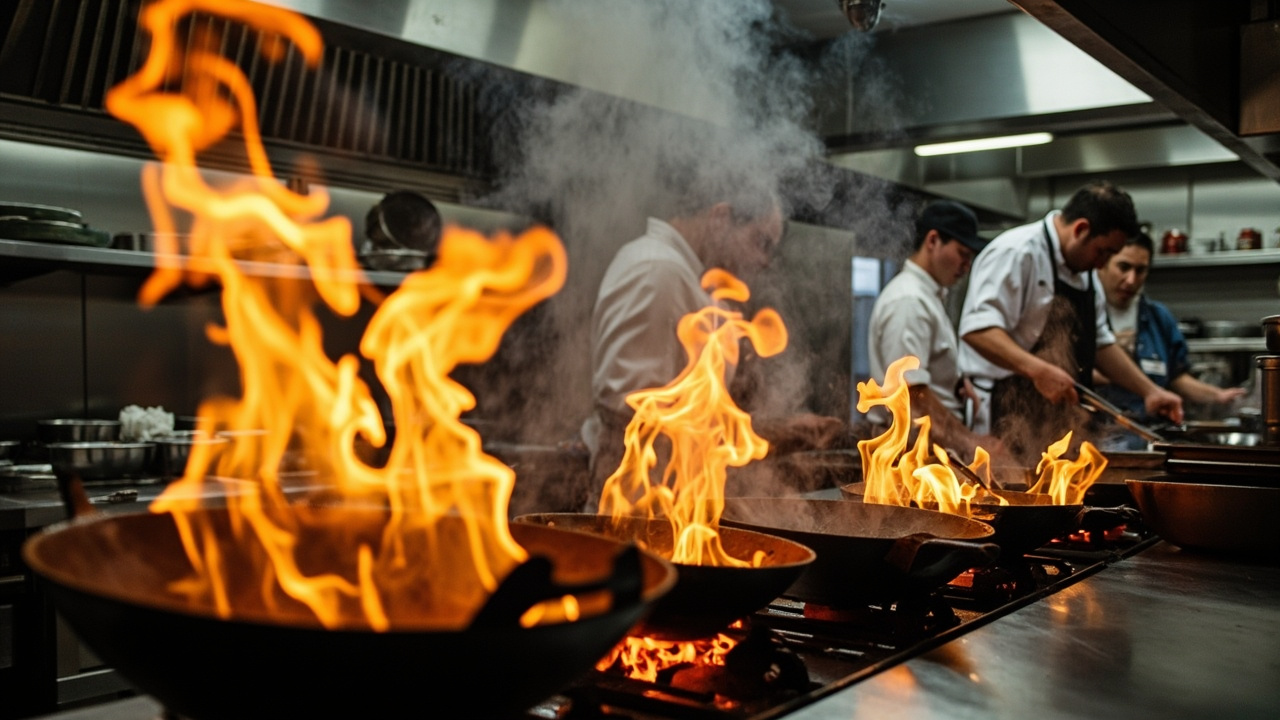
Clinton Institute's response to the chef shortage is direct: produce job-ready cooks in a real commercial kitchen environment. The Community Training Kitchen at 169 Swanston Street, Melbourne, is the centrepiece of Clinton Institute's cookery programs.
Features of the Community Training Kitchen:
- Fully equipped commercial kitchen modelled on real restaurant operations
- Service-style cooking sessions that simulate the pressure of a live commercial kitchen
- Industry-experienced trainers who have worked in Melbourne's hospitality sector
- Small class sizes ensuring every student gets hands-on time with professional equipment
- Menu planning and cost control training aligned with commercial kitchen requirements
What Makes Clinton Institute's Cookery Training Different?
Clinton Institute's cookery programs stand apart from other Melbourne providers in several key ways:
- Community Training Kitchen — students train in a real commercial kitchen environment, not a simulated classroom
- Industry-experienced trainers — trainers like Shane Batterson have worked in commercial kitchens and bring real-world context to every lesson
- Work placement included — mandatory placement hours are arranged through Clinton Institute's industry network
- Full qualification pathway — SIT30821 through to SIT60322, all at the same campus
- CRICOS-registered — Clinton Institute is approved to take international students (RTO 41597, CRICOS 03540C)
Job Outcomes for Cookery Graduates in Melbourne 2026
Melbourne's hospitality sector actively recruits Clinton Institute cookery graduates. Typical job outcomes for SIT30821 and SIT40521 graduates include:
- Kitchen hand / kitchen assistant (during studies)
- Line cook / cook in cafes, bistros, and casual dining restaurants
- Commis chef or demi chef in hotel and fine dining kitchens
- Catering assistant in corporate and event catering
- Food preparation roles in hospitals, aged care facilities, and institutional catering
Under the Hospitality Industry Award 2020, qualified cooks in Melbourne earn approximately $27–$40 per hour depending on experience and qualification level, plus penalty rates for weekends and public holidays.
How to Start a Chef Career in Melbourne with No Experience
You do not need any prior kitchen experience to start a cookery career in Melbourne. The pathway is straightforward:
- Enrol in SIT30821 Certificate III in Commercial Cookery — no prior experience required (CRICOS: 110552J)
- Complete theory and practical training at Clinton Institute's Community Training Kitchen
- Complete mandatory work placement hours in a real commercial kitchen
- Begin working as a qualified cook during or after your qualification
- Progress to SIT40521 — Certificate IV in Kitchen Management — for advancement to chef de partie and head chef roles
Clinton Institute's admissions team can assist international students with the enrollment process. Contact admission@clinton.edu.au or call +61 3 8394 2064.